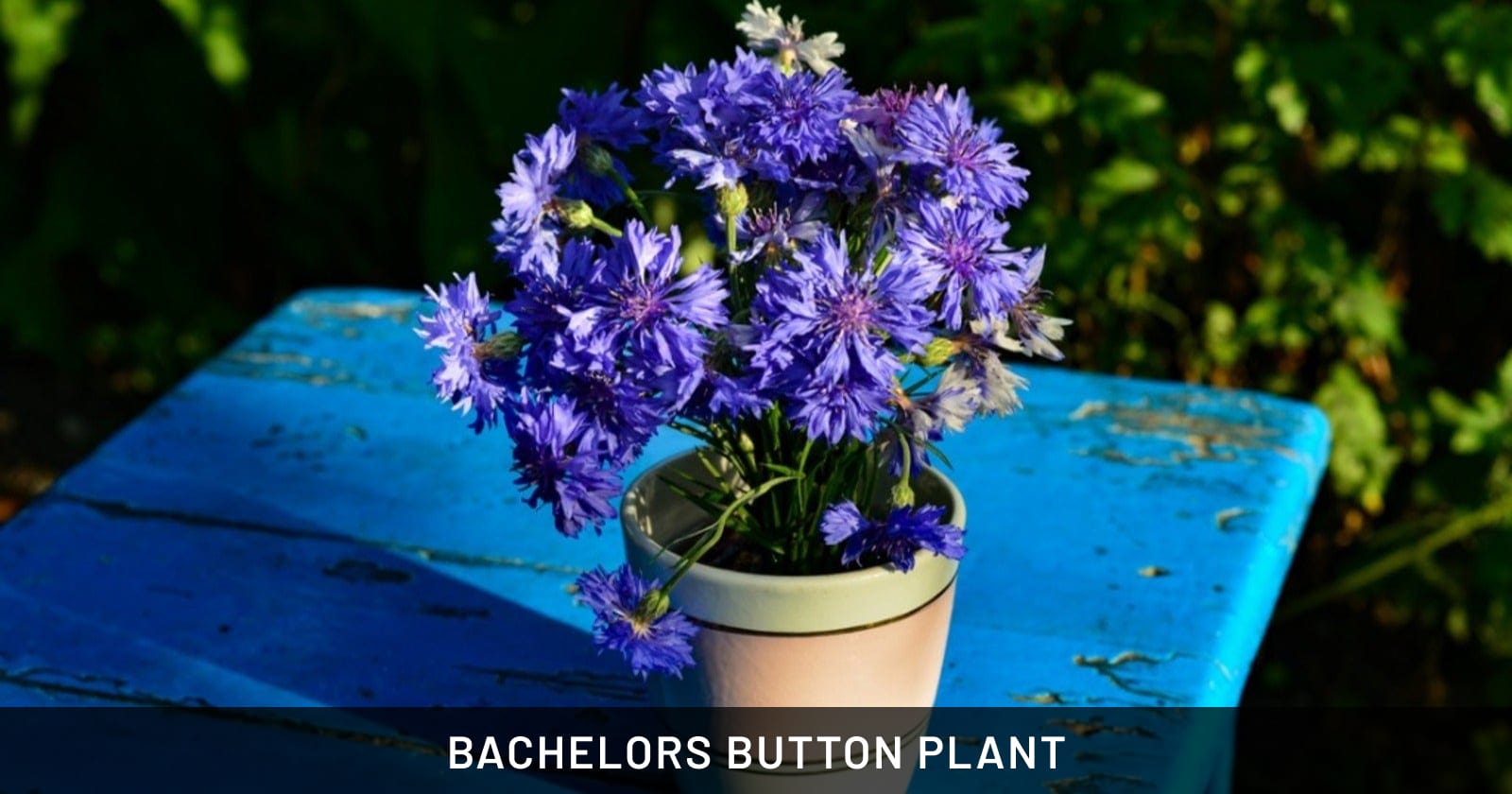
Bachelor’s buttons, also known as cornflowers, are delightful additions to any garden, renowned for their vivid blue blossoms. These annuals thrive in full sun and adapt well to a variety of soil conditions, making them easy to grow. Their hardiness and drought resistance contribute to a low-maintenance gardening experience. Not only do bachelor’s buttons offer a splash of color from early summer to fall, but they are also beneficial for pollinators, attracting bees and butterflies.
For pet owners, the reassuring news is that bachelor’s buttons are generally considered safe for pets. Both cats and dogs can roam in a garden adorned with these flowers without risk of toxicity. This makes them a perfect choice for pet-friendly landscaping, ensuring that your garden remains a safe haven for all members of the family. Enjoy the dual benefits of vibrant beauty and pet safety with bachelor’s buttons.
| Characteristic | Detail |
|---|---|
| Scientific Name | Centaurea cyanus |
| Family | Asteraceae |
| Origin | Native to Europe |
| Type | Annual flowering plant |
| Height | Typically 30 to 90 cm tall |
| Flower Colors | Most commonly blue, but can also be found in pink, purple, and white |
| Flowering Period | Summer, usually from June to August |
| Leaf Shape | Lanceolate |
| Leaf Arrangement | Alternate |
| Leaf Color | Grey-green to blue-green |
| Seed Type | Achene |
| Habitat | Meadows, fields, and areas with disturbed soil |
| Light Requirements | Prefers full sun |
| Soil Type | Well-drained, fertile soil |
| Water Requirements | Moderate, drought-tolerant once established |
| Pollinators | Bees, butterflies, and other insects |
| Propagation | Seed; self-seeds readily in favorable conditions |
| Cultural Significance | Symbol of early summer, remembrance, and the delicacy of nature |
| Uses | Ornamental, culinary (edible flowers), and traditional medicine |
Bachelor’s Buttons stand out for their vibrant blooms and resilience, thriving even in poor soil conditions. They are celebrated not only for their decorative appeal but also for their practical uses in pollinator gardens and as cut flowers.
Planting & Care of Bachelor Buttons Plant
When is the best time to Plant bachelor buttons?
Bachelor buttons, known for their vibrant hues and resilience, present two optimal planting times:
Fall Planting (USDA Zones 7 and Higher)
For gardeners in warmer climates, planting bachelor buttons in fall, about six weeks before the first expected frost, is advantageous. This timing allows the plants to root and acclimate throughout the winter, resulting in an earlier and more robust bloom in the spring. This method is particularly effective in USDA zones 7 or higher, where winters are milder, providing a head start on the growing season.
Spring Planting (All Climates)
The more traditional planting time for bachelor buttons is early spring, approximately two to three weeks before the last frost date. This schedule is suitable for gardeners in all climate zones. Planting during this window ensures that the seedlings are safe from the harsher frosts of winter yet can take full advantage of the early spring warmth. The result is a vibrant display of flowers by late spring or early summer.
Regardless of planting time, bachelor buttons flourish under certain conditions. They require full sun to bloom prolifically and prefer well-drained soil, though they are relatively adaptable to different soil types. Once established, these flowers are drought-resistant, making them low maintenance. For continuous blooms, regular deadheading of spent flowers is recommended. This not only extends the flowering period but also encourages a denser, more attractive plant.
How to grow?
Growing bachelor buttons from seed is a straightforward process, making these vibrant flowers a favorite among gardeners.
For Fall (warm climates only): Plant bachelor button seeds about six weeks before the anticipated first frost. This strategy allows them to root well throughout the winter, setting the stage for vibrant and early blooms as the weather warms.
For Spring (all climates): Sow seeds two to three weeks before the last expected frost date. This ensures that the soil is adequately warm, encouraging germination and leading to flowering by late spring or early summer.
- Location: Select a sunny spot for planting where the flowers will receive at least six hours of direct sunlight each day. Adequate sunlight is crucial for optimal growth and bloom production.
- Soil Preparation: Bachelor buttons prefer well-drained soil and are tolerant of various soil types, from average to poor. However, it’s essential to avoid areas that retain too much moisture, as this can hinder plant health.
- Enhance the soil by incorporating compost before planting, which will improve nutrient content and soil structure, promoting healthier growth.
- Sowing Seeds: Directly sow the seeds into the garden at a depth of ¼ inch, ensuring they have contact with the soil for better germination.
- Space the seeds about 2 inches apart at first. You can scatter the seeds for a casual garden look or plant them in defined rows for a more structured aesthetic.
- Thinning Seedlings: Monitor the growth of your seedlings, and once they display two sets of true leaves, begin thinning them. Thinning to about 12 inches apart will give each plant enough space to develop fully, enhancing air circulation and reducing the risk of disease.
How to Care?
Light Requirements
Bachelor buttons require at least six hours of direct sunlight per day. Their optimal sunlight exposure is 6-8 hours. This promotes denser growth and enhances flowering, making these flowers thrive in sunny areas of gardens and fields.
Soil Requirements
Bachelor buttons flourish in well-drained soil with a pH ranging from 6.0 to 7.5. They prefer sandy or loamy soil types. Below is a table illustrating preferred soil conditions:
| Soil Type | pH Range | Drainage |
|---|---|---|
| Sandy | 6.0 – 7.5 | Excellent |
| Loamy | 6.0 – 7.5 | Good |
| Clay | 6.0 – 7.5 | Poor |
Water Requirements
During the growing season, bachelor buttons should be watered when the top 1 inch of soil dries out. They generally need about 1 inch of water per week, either from rainfall or manual watering. This ensures steady growth without the risk of root diseases associated with overwatering.
Temperature & Humidity Requirements
Bachelor buttons can tolerate a temperature range from just above freezing to about 85°F (30°C). They are cold-hardy and can withstand a light frost, making them versatile for various climates. Humidity does not significantly impact these plants, as they adapt well to both dry and moderately humid conditions.
Fertilizer Requirements
Applying a balanced 10-10-10 NPK (Nitrogen-Phosphorus-Potassium) fertilizer at the rate of 1 pound per 100 square feet at planting and once during mid-season can enhance growth and flowering. Here’s how to apply:
| Fertilizer Type | NPK Ratio | Application Rate | Timing |
|---|---|---|---|
| Balanced | 10-10-10 | 1 lb per 100 sq ft | At planting & mid-season |
How to Deadhead?
Deadheading bachelor buttons is a simple gardening practice that can significantly extend your bloom period and enhance the overall vigor of these charming flowers. Here’s how you can keep your bachelor buttons looking tidy and encourage a continuous display of blooms:
- Understand the Benefits: Deadheading is the process of removing spent flowers before they can set seed. This redirects the plant’s energy from seed production back into flower development, promoting more blooms and a bushier growth. It also helps prevent self-sowing, if you prefer to control where these plants grow in your garden.
- Identify Spent Blooms: Look for flowers that are fading, wilting, or have already closed. These are the blooms that need to be removed. Healthy, vibrant flowers should be left alone to continue their display.
- Choose the Right Tool: For bachelor buttons, you can often just use your fingers to pinch off the spent blooms. If the stems are a bit tougher or you’re doing a large batch, a pair of sharp scissors or pruning shears can make the job quicker and neater.
- Deadhead Properly: To deadhead, follow the stem of the spent flower down to the first set of healthy leaves. Make a clean cut just above these leaves. If the entire stem is leggy or has several spent flowers, you might choose to cut it back to a main stem or to the base of the plant to encourage new growth.
- Regular Maintenance: Regularly inspect your bachelor buttons and remove old blooms. This not only keeps the plant looking fresh but also encourages it to produce new flowers. During the peak blooming season, you might find yourself deadheading every few days.
- Aftercare: Once the blooming season is dwindling, you can reduce the frequency of deadheading. Allow a few flowers to go to seed at the end of the season if you wish to collect them or if you don’t mind the plants self-seeding for next year.
By implementing deadheading into your gardening routine, you ensure that your bachelor buttons continue to provide beauty and color throughout the growing season. It’s a small effort for a rewarding return, keeping your garden vibrant and lively.
How to Harvest Seeds?
Harvesting bachelor button seeds is a straightforward process that rewards you with an abundance of seeds for future planting. Here’s how you can collect these tiny treasures from your garden:
- Wait for the Right Time: Timing is crucial. Wait until the flowers have fully bloomed and the petals begin to wilt and fall. The seed heads, which form right behind the flower petals, will start to turn brown and dry. This usually happens in late summer to early fall, depending on your climate.
- Identify Mature Seed Heads: Look for seed heads that are brown and dry. They should feel somewhat crisp to the touch. The presence of these dry heads indicates that the seeds inside are mature and ready for harvesting.
- Collect the Seed Heads: Gently snip the seed heads from the plant using scissors or garden shears. Be careful not to shake the seeds out prematurely.
- Dry the Seed Heads: Even if the seed heads seem dry, it’s best to ensure they are completely devoid of moisture to prevent mold during storage. Lay them out on a paper towel or a clean, dry surface in a well-ventilated area away from direct sunlight. This drying process should take about a week.
- Extract the Seeds: Once the seed heads are dry, hold them over a bowl or paper bag and gently crush them between your fingers. The seeds should easily fall out. They are small, so it might be helpful to have a fine sieve to separate any chaff or plant material from the seeds.
- Store the Seeds: Transfer the seeds to a labeled envelope or an airtight container. Store them in a cool, dry place until you are ready to plant them next season. Properly stored, bachelor button seeds can remain viable for 2-3 years.
By harvesting your own seeds, you not only save on gardening costs but also gain the satisfaction of cultivating a garden from seeds you’ve collected yourself. Each season’s end becomes a promise of the next year’s bloom.
Different Varieties of Bachelor Button Flowers


FAQs
Is the Bachelors Buttons plant toxic to Pets (Cats/Dogs/Horses)?
Absolutely not! Bachelors Buttons are considered non-toxic to dogs, cats, and horses according to the ASPCA. This makes them a fantastic choice for creating a colorful garden where everyone can enjoy the outdoors.
Is the Bachelors Buttons plant toxic to Pets (Cats/Dogs/Horses)?
Absolutely not! Bachelors Buttons are considered non-toxic to dogs, cats, and horses according to the ASPCA. This makes them a fantastic choice for creating a colorful garden where everyone can enjoy the outdoors.
What happens if my pet eats a Bachelors Button?
While non-toxic, large consumption of any plant material can cause mild stomach upset in pets. The bitter taste of Bachelors Buttons might naturally deter them from eating a lot. Monitor your pet for signs of discomfort like vomiting or diarrhea, and consult a veterinarian if you’re concerned.
Can Bachelors Buttons irritate my pet’s skin?
No, Bachelors Buttons are not known to cause skin irritation in pets.
Are Bachelors Buttons easy to grow with pets around?
Yes, with minimal care and some precautions! Bachelors Buttons are low-maintenance and non-toxic, making them a good choice for pet owners.
How do I keep my pet from chewing on Bachelors Buttons?
Even with non-toxic plants, excessive chewing can damage them. Here are some tips:
- Placement: Plant Bachelors Buttons in bordered areas, raised beds, or hanging baskets if your pet shows a strong interest in digging or chewing.
- Training: Discourage chewing with positive reinforcement techniques. Reward your pet for leaving the plants alone.
- Provide alternatives: Offer your pet chew toys or designated safe plants to redirect their chewing behavior.
Do Bachelors Buttons need a lot of attention?
No, they are low-maintenance and drought-tolerant once established.