USDA Hardiness Zone Finder: What Grows in My Zone?
Look up your USDA plant hardiness zone by city or by your coldest winter temperature, then see exactly which trees, shrubs, and vegetables are actually built for your climate.
Find Your USDA Hardiness Zone
Find Your USDA Hardiness Zone
Method 1: By City
Method 2: By Winter Low Temperature
What Grows in My Zone?
Understanding USDA Hardiness Zones: The Complete Guide
Every seed packet, nursery tag, and garden catalog in the US references a “zone” — but most gardeners have only a rough idea what that number actually means, and even less idea what it means for their own yard. This guide covers what a USDA hardiness zone really measures, how to find yours accurately, and—more usefully—what you can actually expect to grow well once you know it.
What Is a USDA Plant Hardiness Zone?
The USDA Plant Hardiness Zone Map divides North America into 13 zones based on the average annual extreme minimum winter temperature — essentially, how cold it typically gets on the coldest night of a normal year, averaged over roughly 30 years of weather data. Each whole zone spans 10°F, and is split into a warmer “b” half and a colder “a” half, each covering 5°F.
| Zone | Average Extreme Minimum Temp (°F) |
|---|---|
| 2a / 2b | −50° to −40° |
| 3a / 3b | −40° to −30° |
| 4a / 4b | −30° to −20° |
| 5a / 5b | −20° to −10° |
| 6a / 6b | −10° to 0° |
| 7a / 7b | 0° to 10° |
| 8a / 8b | 10° to 20° |
| 9a / 9b | 20° to 30° |
| 10a / 10b | 30° to 40° |
| 11a / 11b | 40° to 50° |
Zones 1 and below-zero “0a/0b” cover the coldest parts of interior Alaska; zones 12–13 cover only Hawaii, Puerto Rico, and a few tropical US territories.
The 2023 USDA Hardiness Zone Map Update: What Changed
The USDA released an updated Plant Hardiness Zone Map in November 2023, replacing the previous 2012 edition. Using more weather stations and more recent climate data, roughly half of the country shifted into the next warmer half-zone compared to the 2012 map. That means a location that was solidly “zone 6a” in 2012 may now be mapped as “6b.” If you’re using an older seed packet, plant tag, or garden guide, its zone references may be based on the previous map — always cross-check against the current map when it matters for a marginal or expensive plant.
How to Find Your Exact Hardiness Zone
- Use the tool above for a fast estimate. Pick the closest major city, or enter your typical winter low temperature directly.
- Check the official USDA map for precision. The USDA’s interactive zip code lookup is the authoritative source and accounts for local elevation and terrain in a way a city-level estimate cannot.
- Account for your specific yard. A south-facing wall, a low frost pocket, or an exposed hilltop can each shift your effective zone by half a zone or more — see the microclimate section below.
- Re-check older references. If a plant guide or seed packet doesn’t specify which map edition it uses, assume it may be a zone behind the current 2023 map.
Zone vs. Microclimate: Why Your Actual Yard May Differ
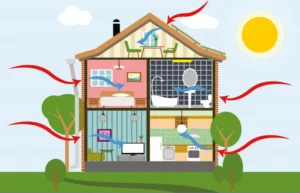
A hardiness zone describes an average across a wide area — it does not know that your backyard sits in a low spot where cold air pools, or that the bed against your house’s south wall gets reflected heat all winter. Common microclimate effects include:
- Urban heat islands: Dense cities often run half a zone to a full zone warmer than surrounding rural areas.
- Elevation: Temperature typically drops about 3–5°F for every 1,000 feet of elevation gain.
- Slope and drainage: Cold air sinks, so low-lying “frost pockets” can run noticeably colder than a slope just above them.
- Structures: South- and west-facing walls, patios, and fences store heat and can let borderline-hardy plants survive a zone colder than the map suggests.
- Wind exposure: Open, wind-exposed sites feel colder to plants than the same air temperature in a sheltered spot.
USDA Zones vs. AHS Heat Zones: They’re Not the Same Thing
USDA zones measure winter cold only. They say nothing about summer heat stress, which is a real limiting factor for many plants in the South and Southwest. The American Horticultural Society’s Heat Zone Map (1–12) measures the number of days per year above 86°F instead, and some plant tags list both a USDA cold zone and an AHS heat zone. In hot climates especially, checking both numbers gives a much more complete picture than the USDA zone alone.
What Grows in Each Zone
Every zone can support a wide range of plants, but these general patterns hold true across most of the US. Use the interactive picker above for a quick shortlist, or reference the broader bands below.
Zones 2–3: Very Cold, Short Season
Growing season roughly 90–120 frost-free days. Reliable performers include quaking aspen, paper birch, and bur oak for trees; peony, daylily, hosta, and Siberian iris for perennials; and cold-hardy vegetables like peas, kale, radishes, potatoes, and carrots. Heat-loving crops like tomatoes and peppers usually need a head start indoors and season-extension tools such as row covers or cold frames.
Zones 4–5: Cold Climate
Growing season roughly 120–160 days. Sugar maple, red maple, white oak, and serviceberry are dependable trees; hydrangea paniculata, lilac, coneflower, and black-eyed Susan thrive as perennials; and a full vegetable garden of broccoli, spinach, beans, sweet corn, and tomatoes is realistic with a normal summer.
Zones 6–7: Cool-to-Mild Temperate
Growing season roughly 160–210 days. This band supports dogwood, redbud, and Japanese maple everywhere, with southern magnolia and crepe myrtle becoming reliable by zone 7. Roses, hydrangea macrophylla, boxwood, and lavender all perform well. Vegetable gardeners can grow tomatoes, peppers, squash, and (by zone 7) okra, plus extended fall crops of garlic and greens.
Zones 8–9: Warm Temperate
Growing season roughly 210–300 days, with many areas seeing only light, brief frosts. Crepe myrtle, live oak, and southern magnolia are staples, and citrus becomes viable in sheltered zone 9 spots. Camellia, gardenia, hibiscus, and lantana thrive as landscape plants, while vegetable growers can push citrus, figs, sweet potatoes, and winter greens through a mild off-season.
Zones 10–11+: Subtropical and Tropical
Covering South Florida, coastal South Texas, parts of coastal Southern California, Hawaii, and Puerto Rico, this band is essentially frost-free year-round. Mango, avocado, palms, citrus, and banana grow as landscape trees; bougainvillea, bird of paradise, and plumeria dominate ornamental beds; and vegetable growing continues nearly continuously, with the mild “winter” often used for the cool-season crops other zones grow in spring and fall.
How to Use Your Zone When Buying Plants
- Treat the zone as a floor, not a guarantee. A plant rated for your zone should survive an average winter, but an unusually harsh one can still damage or kill borderline-hardy species.
- Buy one zone hardier than yours for anything expensive or slow-growing, such as trees and shrubs you don’t want to replace.
- Match summer heat tolerance too, especially in zones 8 and warmer, by checking AHS heat zone ratings when available.
- Use your zone for perennials, trees, and shrubs — it’s far less relevant for true annuals, which complete their life cycle in a single season regardless of zone.
Frost Dates and Growing Season by Zone
Your hardiness zone hints at your growing season length, but local last-spring-frost and first-fall-frost dates are what actually schedule your planting calendar. As a rough national pattern, last spring frost trends from late May in zone 3 down to essentially frost-free in zone 10+, with first fall frost trending the opposite direction. Because these dates vary by region even within the same zone, check your county extension office or a local frost-date lookup tool for planting-calendar accuracy rather than relying on zone alone.
Common Hardiness Zone Mistakes Gardeners Make
- Using an outdated zone map. Older references may still cite the 2012 map, which runs about half a zone colder than the 2023 map in many areas.
- Ignoring summer heat. A plant can be perfectly cold-hardy for your zone and still fail from heat and humidity stress if you’re in the Deep South or desert Southwest.
- Assuming the whole property is one zone. Microclimates from slope, structures, and elevation can shift the effective zone in different parts of the same yard.
- Confusing zone with planting date. The zone tells you what can survive winter there long-term; local frost dates tell you when it’s safe to plant in spring.
Conclusion: Know Your Zone, Then Plant with Confidence
Your USDA hardiness zone is the single most useful piece of information for choosing plants that will actually survive where you live — but it works best paired with a look at your yard’s microclimates, your local frost dates, and, in hot regions, summer heat tolerance. Use the tool above to pin down your zone in seconds, then use the zone-by-zone recommendations to start your shortlist.
Frequently Asked Questions About USDA Hardiness Zones
What is my USDA hardiness zone based on?
It’s based on the average annual extreme minimum winter temperature at your location, calculated from roughly 30 years of weather station data. It measures typical winter cold only — not summer heat, rainfall, or soil type. What changed in the 2023 USDA hardiness zone map?
The 2023 map update used more weather stations and more recent data than the 2012 map, and roughly half of the US shifted into the next warmer half-zone as a result. Older plant tags, seed packets, and gardening books may still reference 2012-map zones, so it’s worth double-checking anything borderline. How do I find my exact hardiness zone by zip code?
Use the official USDA Plant Hardiness Zone Map’s zip code lookup tool for the most precise result, since it accounts for elevation and terrain that a city-level estimate can’t capture. The city and temperature tools above give you a fast, close estimate in the meantime. Can two spots in the same city be in different zones?
Yes. Elevation changes, urban heat from pavement and buildings, hillside cold-air drainage, and shelter from wind can all shift the effective zone within the same metro area, sometimes by a full zone. Is a lower zone number colder or warmer?
Lower numbers are colder. Zone 2 covers some of the coldest parts of the continental US and Alaska, while zone 11+ covers frost-free, tropical and subtropical parts of Hawaii, Puerto Rico, and South Florida. Does my hardiness zone matter for annual flowers and vegetables?
Less than you’d think. True annuals complete their entire life cycle in one growing season and die regardless of zone, so for them your local frost dates and season length matter more than the zone number itself. Zone matters most for perennials, shrubs, and trees expected to survive winter and come back for years. What’s the difference between a USDA zone and an AHS heat zone?
USDA zones measure winter cold. The American Horticultural Society’s Heat Zone Map measures summer heat stress instead, based on the number of days per year above 86°F. In hot climates, a plant can be perfectly cold-hardy for your USDA zone and still struggle if its heat zone rating doesn’t match your summers. Should I buy plants rated for my exact zone or a hardier one?
For anything expensive, slow-growing, or hard to replace — trees and shrubs especially — buying a plant rated one zone hardier than yours gives useful insurance against an unusually severe winter. Can I grow plants rated for a warmer zone than mine?
Sometimes, with help. Microclimates (a sheltered, south-facing spot), containers you can move indoors, mulching, and winter protection like burlap wraps can let you push a zone or even two beyond the map rating for borderline plants, though it’s never guaranteed in a harsh winter. Do hardiness zones apply outside the continental US?
Yes. The USDA map covers all 50 states plus Puerto Rico, with Alaska reaching down into zones as cold as 0a and Hawaii and Puerto Rico reaching up into the tropical zones 11–13. © 2026 Treeier.com. All rights reserved. This tool and its content are provided for general informational and educational purposes only. Zone and plant guidance is approximate; consult the official USDA Plant Hardiness Zone Map and your local extension office for planting decisions specific to your address.