Common Poisonous Plants: Identification, Prevention, and First Aid
As a gardener or nature enthusiast, you may be surprised to learn that many common plants in and around your home can pose serious health risks. Understanding which plants are toxic, recognizing their characteristics, and knowing how to respond in case of accidental ingestion could potentially save lives. This comprehensive guide will help you identify common poisonous plants in the US, understand their toxic properties, and learn appropriate prevention and first aid measures.
Understanding Plant Toxicity
Plants produce toxic compounds as natural defense mechanisms against herbivores and insects. When humans or pets ingest these compounds, they can cause a range of symptoms from mild irritation to severe illness or even death. According to the National Poison Control Center, plants account for approximately 10% of all poison exposure cases reported annually in the United States.
The severity of poisoning depends on several factors:
- The type and amount of plant ingested
- The specific toxin involved
- The age and health of the individual
- The time elapsed before treatment
Types of Plant Toxins
Plant toxins fall into several categories, each with different mechanisms of action and symptoms:
- Cardiac glycosides: Found in plants like foxglove and oleander, these compounds affect heart rhythm and can cause cardiac arrest in severe cases.
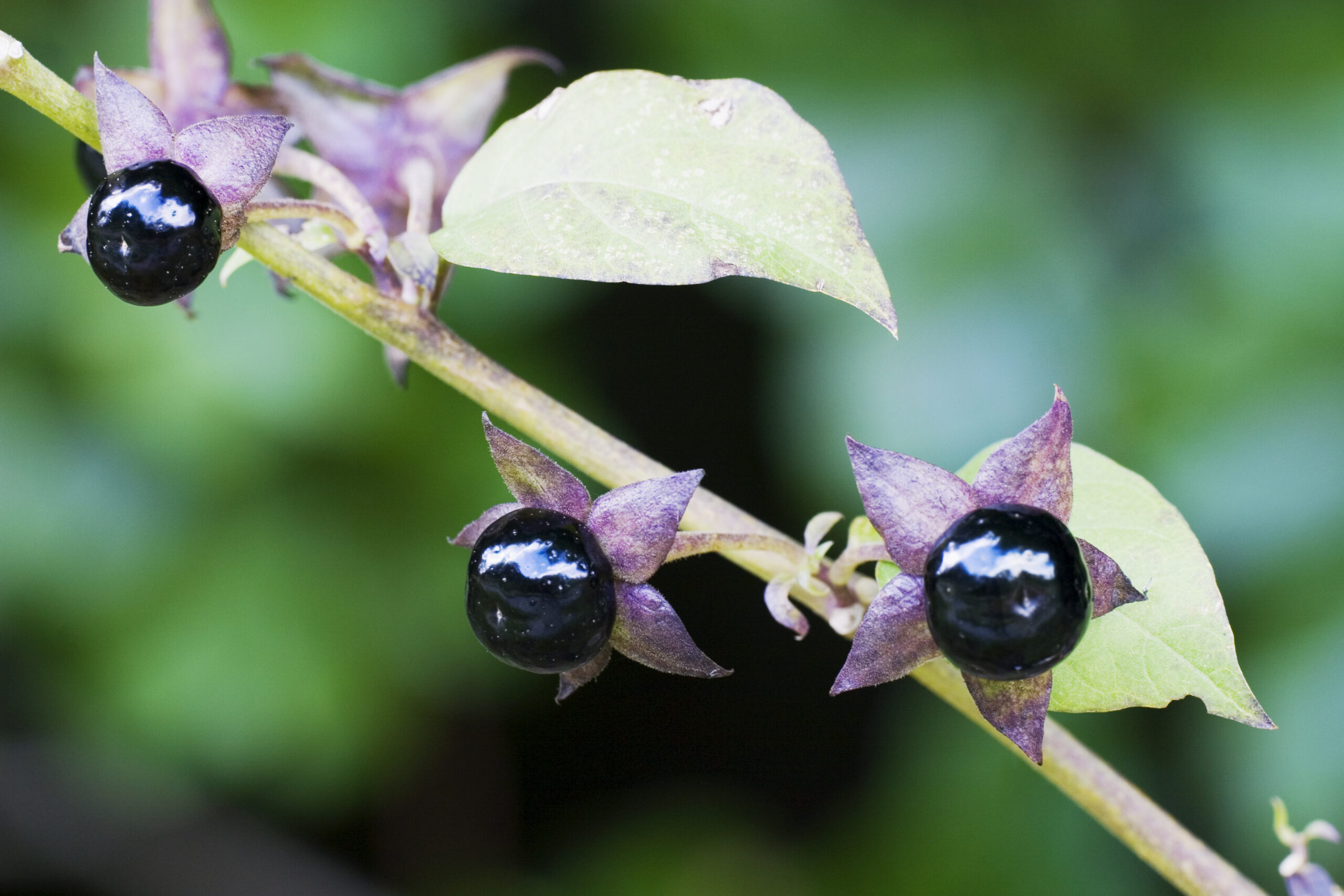
- Alkaloids: Present in plants like nightshade and hemlock, alkaloids can damage the nervous system, causing symptoms ranging from hallucinations to respiratory failure.
- Oxalates: Found in plants like dumb cane and philodendron, these crystals cause intense burning and swelling in the mouth and throat when ingested.
- Cyanogenic glycosides: Present in plants like cherry and apple seeds, these compounds release hydrogen cyanide when metabolized, which can interfere with cellular respiration.
Common Poisonous Plants in US Homes and Gardens
Houseplants
Many popular houseplants contain toxic substances that can harm humans and pets if ingested. Be particularly careful with these common indoor plants:
Philodendron and Pothos (Epipremnum aureum)
These popular houseplants contain insoluble calcium oxalate crystals. When chewed or ingested, these crystals cause:
- Intense burning and irritation of the mouth and throat
- Swelling of the tongue and lips
- Difficulty swallowing
- Vomiting
- Excessive drooling (especially in pets)
These plants are particularly dangerous for cats and small children who might chew on the leaves out of curiosity.
Peace Lily (Spathiphyllum)
Despite its serene name, the peace lily contains calcium oxalate crystals similar to philodendron. Ingestion can cause:
- Oral irritation and burning
- Excessive salivation
- Difficulty swallowing
- Stomach pain and nausea
Sago Palm (Cycas revoluta)
All parts of this plant are toxic, with the seeds containing the highest concentration of toxins. The primary toxic compound, cycasin, can cause:
- Severe gastrointestinal distress
- Liver failure
- Seizures
- Coma
- Death (especially in pets)
According to the ASPCA Animal Poison Control Center, sago palm ingestion has a mortality rate of up to 50% in dogs.
Garden Plants
Your garden may harbor beautiful but dangerous plants. Here are some common toxic garden plants to be aware of:
Foxglove (Digitalis purpurea)
All parts of this striking flowering plant contain cardiac glycosides that can be fatal even in small amounts. Symptoms of foxglove poisoning include:
- Nausea and vomiting
- Dizziness and confusion
- Visual disturbances
- Irregular heartbeat
- Seizures
Interestingly, compounds from foxglove are used to manufacture digoxin, a medication used to treat certain heart conditions, demonstrating the fine line between poison and medicine.
Lily of the Valley (Convallaria majalis)
This fragrant spring flower contains over 30 cardiac glycosides. Ingestion can cause:
- Headache
- Nausea and vomiting
- Drowsiness
- Irregular heartbeat
- Decreased pulse rate
- Confusion
Oleander (Nerium oleander)
Every part of this common ornamental shrub contains toxic cardiac glycosides, with just a few leaves potentially fatal to a child. Symptoms include:
- Nausea and vomiting
- Severe abdominal pain
- Dizziness
- Blurred vision
- Irregular heartbeat
- Death in severe cases
Wild Plants
When hiking or spending time outdoors, you should be able to identify these dangerous wild plants:
Poison Ivy, Poison Oak, and Poison Sumac
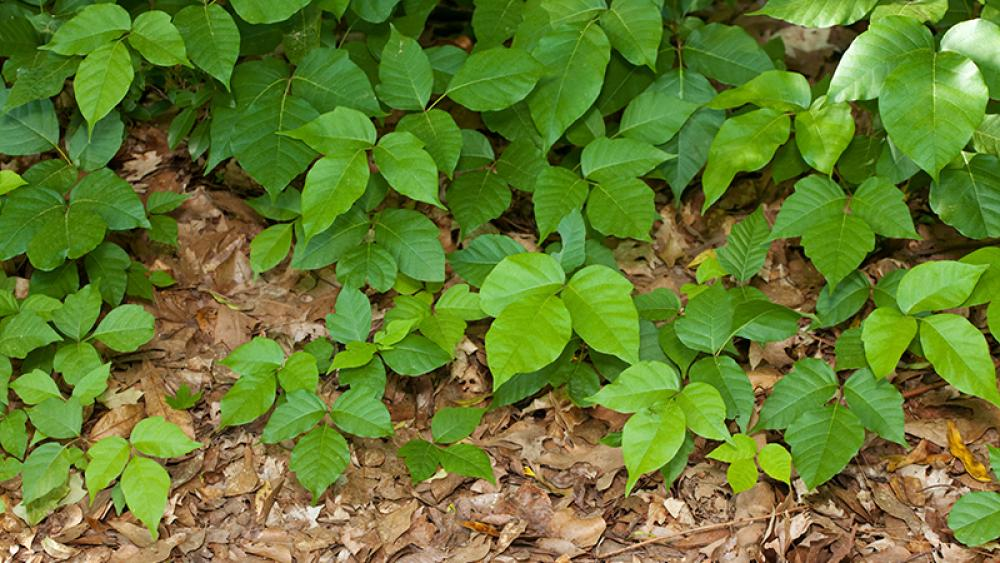
While not typically fatal, these plants contain urushiol, an oil that causes painful contact dermatitis. Symptoms include:
- Severe itching
- Red rash
- Bumps or blisters
- Swelling
According to the CDC, up to 85% of Americans are allergic to urushiol, with about 10-15% being extremely sensitive.
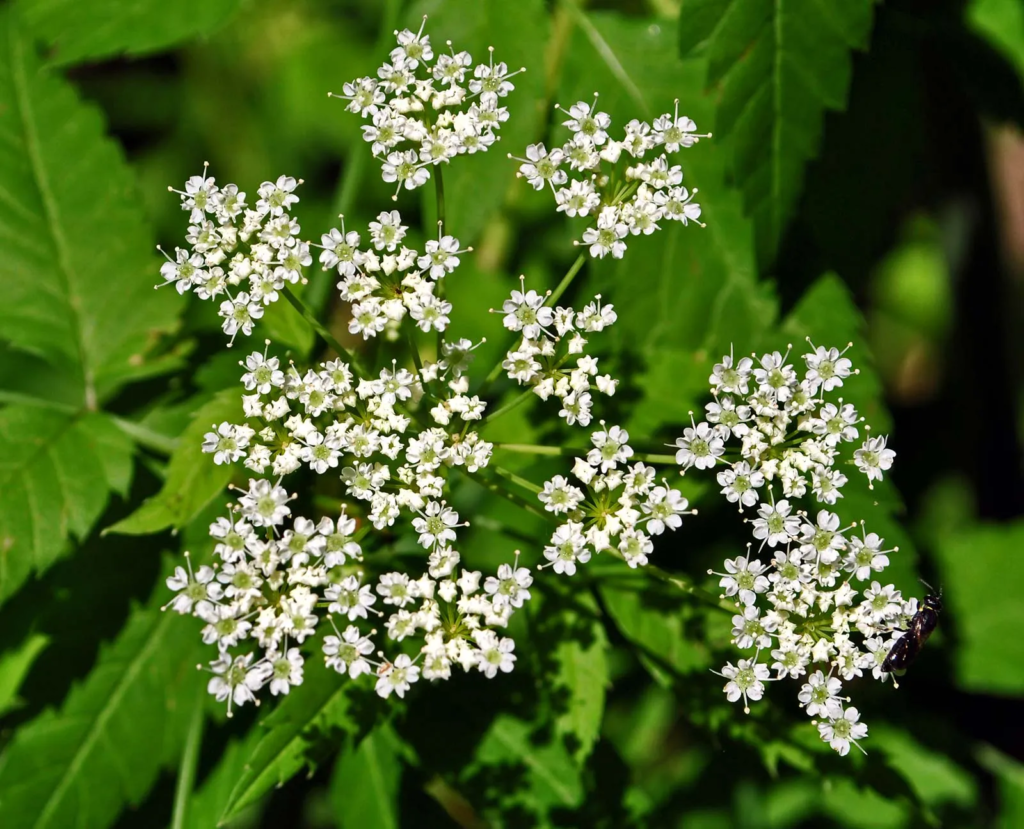
Water Hemlock (Cicuta maculata)
Often considered North America’s most toxic plant, water hemlock contains cicutoxin, which affects the central nervous system. Symptoms appear rapidly after ingestion and include:
- Painful convulsions
- Nausea and vomiting
- Abdominal cramps
- Respiratory failure
- Death, often within hours of ingestion
Jimsonweed (Datura stramonium)
This plant contains anticholinergic alkaloids that cause:
- Hallucinations
- Hyperthermia
- Dilated pupils
- Blurred vision
- Tachycardia
- Confusion
- Seizures and coma in severe cases
Comparative Toxicity of Common Poisonous Plants
Below is a comparison of some common poisonous plants, their toxic compounds, affected body systems, and severity of poisoning:
| Plant Name | Toxic Compounds | Affected Systems | Severity | Time to Symptoms | Lethal Dose |
|---|---|---|---|---|---|
| Oleander | Cardiac glycosides | Cardiovascular, Gastrointestinal | Very High | 2-4 hours | As little as 1-2 leaves (for children) |
| Foxglove | Digitoxin, Digoxin | Cardiovascular, Neurological | Very High | 2-6 hours | 4-5 leaves or 1-2 flowers |
| Water Hemlock | Cicutoxin | Neurological | Extreme | 15-60 minutes | Small amount of root (1-2 ounces) |
| Philodendron | Calcium oxalate | Digestive, Respiratory | Moderate | Immediate | Not typically lethal, but highly painful |
| Lily of the Valley | Convallatoxin | Cardiovascular | High | 2-6 hours | ~15 leaves or 2-3 flowers |
| Pokeweed | Phytolaccatoxin | Gastrointestinal | Moderate to High | 1-2 hours | ~10 berries (for children) |
| Sago Palm | Cycasin | Gastrointestinal, Liver | Very High | 12-24 hours | 1-2 seeds (especially for pets) |
| Jimsonweed | Atropine, Scopolamine | Neurological, Cardiovascular | High | 30-60 minutes | 50-100 seeds |
Poisonous Plants That Look Like Edible Plants
Some of the most dangerous scenarios involve toxic plants that resemble edible species. Here are some deadly look-alikes to be aware of:
Death Camas vs. Wild Onion
Death camas (Zigadenus species) resembles wild onion but lacks the distinctive onion smell. All parts of death camas contain dangerous alkaloids that can cause:
- Excessive salivation
- Weakness
- Vomiting
- Respiratory depression
- Death
Poison Hemlock vs. Queen Anne’s Lace
Poison hemlock (Conium maculatum) looks similar to the edible Queen Anne’s lace (wild carrot) but can be distinguished by its smooth, purple-spotted stems. Poison hemlock contains coniine and other alkaloids that can cause:
- Paralysis
- Respiratory failure
- Death
This is the plant that killed the philosopher Socrates in ancient Greece.
False Morels vs. True Morels
False morels (Gyromitra species) resemble edible morel mushrooms but contain the toxin gyromitrin, which is converted to monomethylhydrazine (rocket fuel component) in the body. Ingestion can cause:
- Vomiting and diarrhea
- Seizures
- Liver damage
- Death in severe cases
Prevention Strategies
The best approach to plant poisoning is prevention. Here are strategies to protect yourself and your loved ones:
In Your Home and Garden
- Know what you grow: Research plants before adding them to your garden or home.
- Label plants: Keep tags or a garden journal identifying your plants.
- Educate family members: Teach children never to put any part of a plant in their mouth without adult permission.
- Consider pet safety: Research pet-safe alternatives for toxic houseplants if you have curious pets.
- Create barriers: Use fencing or raised beds to separate toxic plants from play areas.
- Store seeds and bulbs safely: Keep them out of reach of children and pets.
According to the National Capital Poison Center, these preventive measures can significantly reduce the risk of plant poisoning incidents.
In the Wild
- Learn identification skills: Study field guides or take workshops on plant identification.
- Follow the rule of certainty: Never eat wild plants unless you are 100% certain of their identity.
- Wear protective clothing: When in areas with poison ivy or similar plants, wear long sleeves, pants, and closed shoes.
- Stay on marked trails: This reduces your risk of encountering dangerous plants.
- Teach children the “no touch” rule: Instruct children never to touch wild berries, mushrooms, or plants without adult supervision.
First Aid for Plant Poisoning
If you suspect plant poisoning, act quickly. Here’s what you should do:
- Remove remaining plant material: If the person is conscious, remove any plant material from their mouth. Wear gloves if dealing with plants that cause contact dermatitis.
- Contact poison control immediately: Call the National Poison Control Center at 1-800-222-1222. They are available 24/7 and can provide guidance based on the specific plant and symptoms.
- Do NOT induce vomiting unless directed: Modern first aid protocols rarely recommend inducing vomiting. Follow the poison control center’s instructions.
- Save plant samples: If possible, save a sample of the plant in a plastic bag for identification.
- Monitor vital signs: Watch for changes in breathing, heart rate, or consciousness.
- For skin contact: If the poisoning is from skin contact (like poison ivy), wash the affected area thoroughly with soap and cool water as soon as possible.
The FDA’s poisonous plant database provides valuable information about specific plants and appropriate response measures.
Special Considerations for Children and Pets
Children under six years and pets are at highest risk for plant poisoning due to their curiosity and tendency to explore with their mouths.
For Children
- Teach plant safety early: Help children understand which plants are safe to touch or eat.
- Supervise outdoor play: Keep a close eye on young children, especially in areas with unknown plants.
- Remove high-risk plants: Consider removing the most dangerous plants from your yard until children are older.
- Post emergency numbers: Keep poison control’s number (1-800-222-1222) posted in a visible location.
For Pets
- Know pet-specific toxins: Some plants that are safe for humans (like lilies) can be fatal to pets, particularly cats.
- Create pet-safe spaces: Fence off garden areas with toxic plants.
- Address chewing behavior: Provide appropriate chew toys for puppies and kittens to reduce plant chewing.
- Know your vet’s emergency number: Keep your veterinarian’s emergency contact information readily available.
Conclusion
Understanding common poisonous plants is essential for anyone who spends time in nature or keeps plants in their home. By learning to identify these plants, taking preventive measures, and knowing how to respond in case of poisoning, you can enjoy the beauty of plants while minimizing risks to yourself, your family, and your pets.
Remember that this guide covers only some of the most common poisonous plants in the US. When in doubt about a plant’s safety, consult with botanical experts or extension services. Consider downloading plant identification apps or carrying field guides when exploring new areas.
For more comprehensive information on poisonous plants in the United States, visit the USDA’s Poisonous Plant Research Laboratory website for the most current research and guidance.
Your awareness of common poisonous plants not only protects you and your loved ones but also contributes to a deeper appreciation of the complex natural world around us.