How to Grow Boxwoods: A Complete Guide
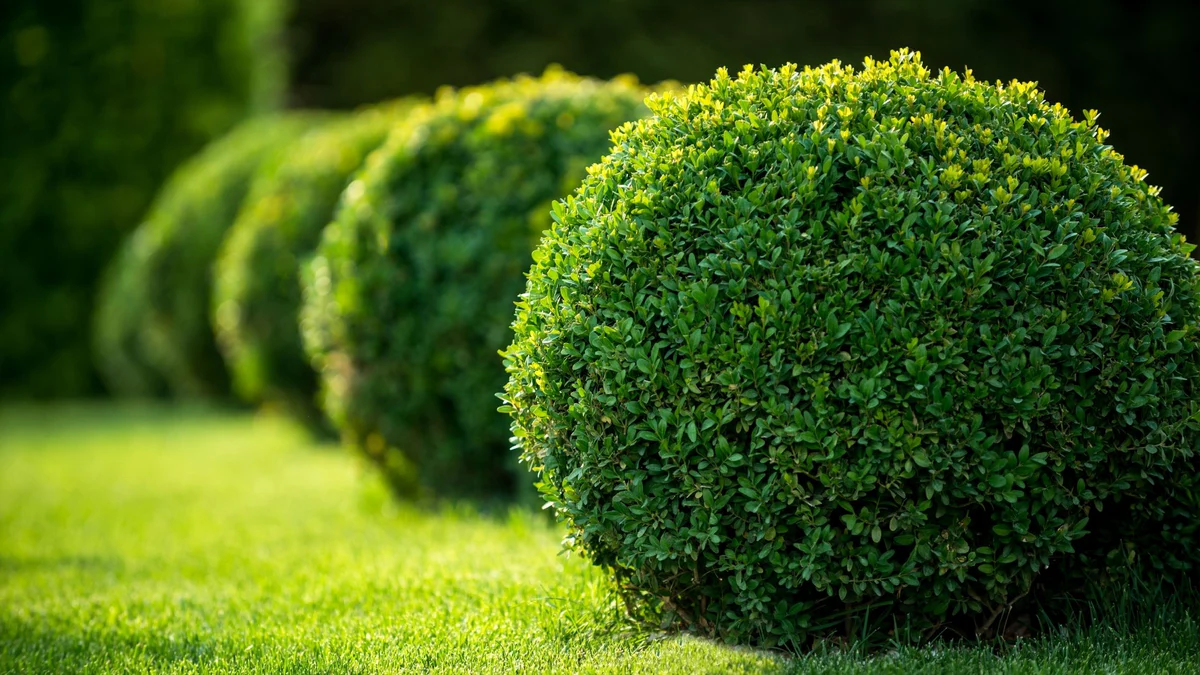
Are you looking to add elegance and structure to your landscape? Boxwoods are the perfect choice for creating formal gardens, defining spaces, and adding year-round interest to your property. These versatile evergreen shrubs have been a staple in American gardens for centuries, and their popularity in the US market continues to grow. In this comprehensive guide, you’ll learn everything you need to know about planting and maintaining boxwoods in your home garden or larger plot.
Understanding Boxwoods
Boxwoods (Buxus spp.) are dense, evergreen shrubs prized for their versatility and adaptability. Before you start planting, it’s important to understand what makes these plants special and why they’re such a popular choice for US gardeners.
Popular Boxwood Varieties for US Gardens
The US market offers several boxwood varieties, each with unique characteristics suitable for different landscaping needs:
| Variety | Growth Rate | Mature Height | Mature Width | Cold Hardiness | Best Uses |
|---|---|---|---|---|---|
| American Boxwood (Buxus sempervirens) | Slow to moderate | 10-12 feet | 8-10 feet | USDA zones 5-8 | Hedges, specimens |
| English Boxwood (Buxus sempervirens ‘Suffruticosa’) | Very slow | 3-4 feet | 3-4 feet | USDA zones 5-8 | Formal gardens, edging |
| Korean Boxwood (Buxus sinica var. insularis) | Slow | 2-4 feet | 2-4 feet | USDA zones 4-9 | Cold-hardy hedges |
| Japanese Boxwood (Buxus microphylla var. japonica) | Moderate | 4-6 feet | 4-6 feet | USDA zones 6-9 | Foundation plantings |
| ‘Green Velvet’ | Slow | 3-4 feet | 3-4 feet | USDA zones 4-9 | Borders, low hedges |
| ‘Wintergreen’ | Moderate | 3-5 feet | 3-5 feet | USDA zones 5-8 | Winter-hardy hedges |
According to the United States National Arboretum, boxwoods can live for over 100 years when properly planted and maintained, making them an excellent long-term investment for your landscape. You can find more information about boxwood varieties and their care requirements on the USDA Plant Hardiness Zone Map.
How to Plant Boxwoods at Home
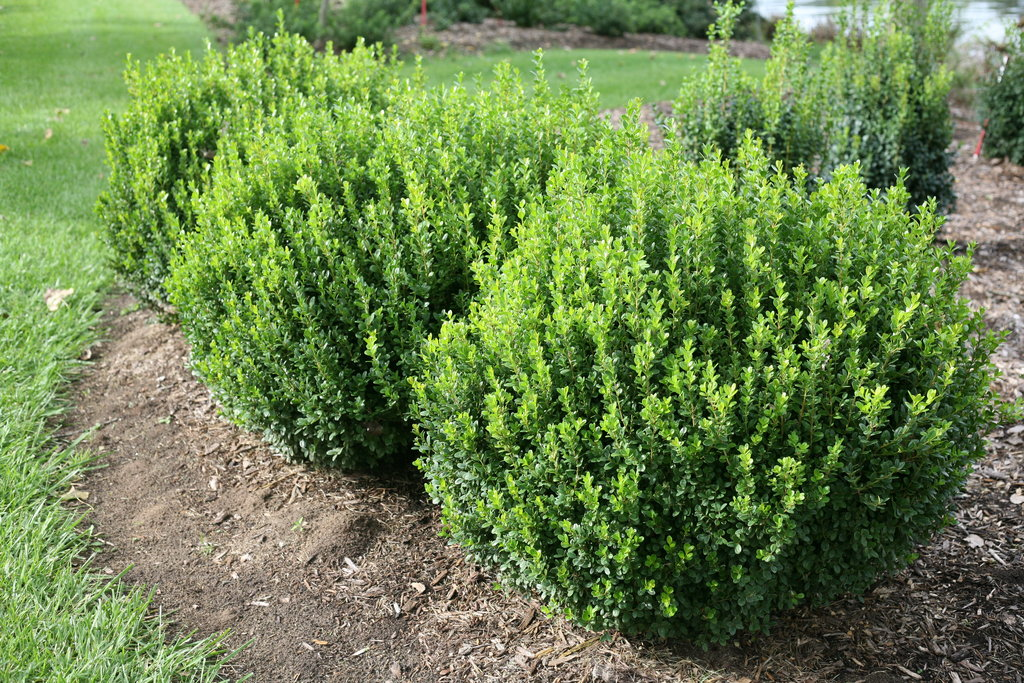
Planting boxwoods around your home can instantly elevate your curb appeal and provide structure to your landscape. Follow these steps for successful boxwood planting in residential settings:
Choosing the Right Location
Your boxwoods will thrive when planted in the right spot:
- Light requirements: Boxwoods prefer partial shade but can tolerate full sun in cooler climates. Morning sun with afternoon shade is ideal, especially in warmer regions.
- Soil needs: These shrubs prefer well-draining soil with a slightly acidic to neutral pH (6.5-7.5).
- Spacing: Allow adequate space between plants based on their mature width. For smaller varieties, space plants 2-3 feet apart; for larger varieties, space them 3-6 feet apart.
- Protection: Choose locations that offer some protection from harsh winter winds, which can cause winter burn on boxwood foliage.
Best Time to Plant
Timing is crucial for boxwood planting success:
- Spring planting: Early spring, after the last frost date, is ideal for most regions as it gives plants time to establish before summer heat.
- Fall planting: In warmer regions (USDA zones 7-9), early fall planting allows roots to establish before winter while avoiding summer heat stress.
- Avoid summer: Try to avoid planting during the hottest months of summer, as the heat stress can make establishment difficult.
Step-by-Step Planting Process for Home Gardens
- Prepare the planting area: Clear the area of weeds and grass. If you’re creating a hedge, you might want to dig a trench instead of individual holes.
- Dig the hole: Make the hole twice as wide as the root ball but only as deep as the height of the container or root ball.
- Check drainage: Fill the hole with water and let it drain. If water doesn’t drain within a few hours, consider improving drainage or selecting a different location.
- Prepare the plant: Carefully remove the boxwood from its container. If the roots are circling around the root ball, gently loosen them to encourage outward growth.
- Position the plant: Place the boxwood in the hole so that the top of the root ball is level with or slightly above the surrounding soil.
- Backfill: Fill in around the root ball with the removed soil, gently tamping it down as you go to eliminate air pockets.
- Water thoroughly: Create a small basin around the plant and water deeply to help settle the soil.
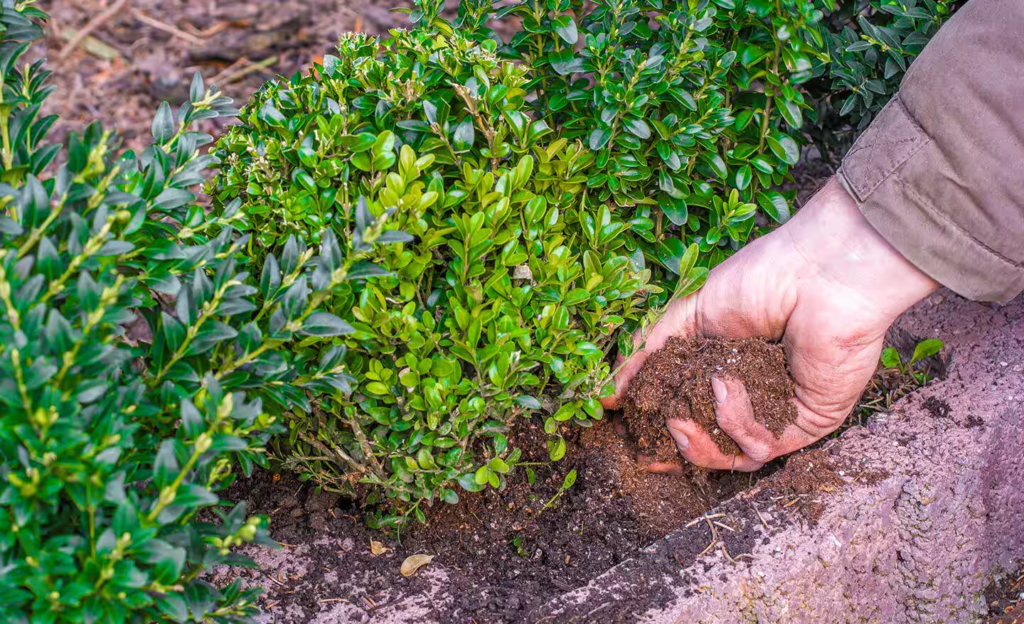
- Apply mulch: Add 2-3 inches of organic mulch around the plant, keeping it a few inches away from the stem to prevent rot.
How to Plant Boxwoods in a Garden Setting
When incorporating boxwoods into a larger garden design, consider these additional factors:
Design Considerations
- Formal gardens: Plant boxwoods in symmetrical patterns or geometric shapes for traditional formal gardens.
- Mixed borders: Combine boxwoods with flowering perennials and annuals for year-round interest.
- Foundation plantings: Use compact varieties to create structure around the foundation of your home.
- Focal points: Plant larger boxwood specimens as focal points or anchors in garden beds.
Companion Planting
Boxwoods pair beautifully with many other plants:
- Spring bulbs: Plant daffodils, tulips, and other spring bulbs around boxwoods for early season color.
- Perennials: Lavender, Russian sage, and catmint provide contrasting texture and color.
- Roses: Classic boxwood and rose combinations create timeless garden scenes.
- Ornamental grasses: For a more contemporary look, pair boxwoods with ornamental grasses.
The EPA’s GreenScapes program recommends incorporating native plants alongside boxwoods to support local ecosystems. Visit the EPA’s GreenScapes page for more sustainable landscaping tips.
How to Plant Boxwoods in a Larger Plot
For landscapers or homeowners with larger properties, planting boxwoods on a bigger scale requires special considerations:
Site Preparation for Large-Scale Planting
- Soil testing: Before planting multiple boxwoods, conduct a soil test to determine pH and nutrient levels. Your local county extension office can help with soil testing services.
- Amend soil if necessary: Based on test results, amend the soil with organic matter, lime, or sulfur as needed to achieve the ideal pH range.
- Plan for irrigation: Consider installing a drip irrigation system for efficient watering of multiple plants.
- Create a planting plan: Map out the exact locations for your boxwoods based on their mature size and your design goals.
Mass Planting Techniques
When planting many boxwoods:
- Use equipment: For very large projects, consider renting a mini-excavator to dig multiple holes or trenches quickly.
- Plant in stages: Divide the project into manageable sections to ensure proper attention to each plant.
- Maintain consistency: Use string lines to ensure straight rows or curved lines are planted with even spacing.
- Establish maintenance zones: Group plants with similar water and care needs together for efficient maintenance.
Post-Planting Care for Success
Regardless of where you’ve planted your boxwoods, proper care after planting is crucial:
Watering Guidelines
- First year: Water deeply once or twice weekly, depending on rainfall and temperature.
- Established plants: Reduce watering to once every 10-14 days during dry periods.
- Winter watering: In regions with dry winters, water occasionally during winter thaws to prevent dehydration.
Fertilization Schedule
- Newly planted: Wait 6-8 weeks after planting before fertilizing.
- Established plants: Apply a balanced, slow-release fertilizer formulated for evergreens in early spring.
- Avoid late-season feeding: Don’t fertilize after mid-summer, as this can stimulate tender growth vulnerable to winter damage.
Pruning Basics
- Timing: The best time to prune is late winter or early spring before new growth begins.
- Technique: Use sharp, clean pruning shears and make cuts just above a leaf node.
- Rejuvenation: Older boxwoods can be rejuvenated by removing up to one-third of the oldest branches each year for three years.
The National Park Service, which maintains historic boxwood gardens at many sites, recommends monitoring boxwoods regularly for pests and diseases. More information on historic boxwood maintenance practices can be found on the National Park Service website.
Troubleshooting Common Boxwood Issues
Even with proper planting, you might encounter these common issues:
Yellowing Leaves
- Possible causes: Poor drainage, incorrect pH, nutrient deficiency, or boxwood blight.
- Solution: Check soil drainage and pH, apply appropriate fertilizer, or consult a local extension office for disease diagnosis.
Winter Damage
- Possible causes: Desiccation from winter winds, extreme cold, or late-season fertilization.
- Solution: Provide winter protection for young plants, avoid late-season pruning and fertilizing, and select cold-hardy varieties for northern regions.
Slow Growth
- Possible causes: Compacted soil, insufficient light, or root competition.
- Solution: Improve soil conditions, adjust planting location, or reduce competition from nearby plants.
Conclusion
Planting boxwoods can transform your landscape with their timeless elegance and adaptability. Whether you’re creating a formal garden at home, defining spaces in your landscape, or developing a larger property, these versatile shrubs offer structure and beauty year-round. By following the guidelines in this article, you’ll be well on your way to successfully growing healthy, vibrant boxwoods that will enhance your property for years to come.
Remember that proper site selection, planting techniques, and ongoing care are the keys to boxwood success. With a little attention to detail during planting and consistent maintenance afterward, your boxwoods will become the backbone of your landscape design, providing structure, elegance, and evergreen beauty in every season.Start your boxwood planting project today, and enjoy the classic beauty these remarkable shrubs bring to your outdoor space!