Transform Your Lawn Into a Sustainable Oasis: Expert Tips for Summer Drought Resilience
As summer temperatures rise, maintaining a lush, green lawn becomes increasingly challenging. Yet with strategic planning and the right techniques, you can create a drought-resistant lawn that stays vibrant while conserving precious water resources. Lawn Lords brings you expert guidance on transforming your turf into a sustainable oasis that thrives even during the hottest months.
Understanding Your Lawn’s Summer Needs
Summer places unique stresses on turfgrass, with high temperatures and reduced rainfall creating perfect conditions for drought damage. According to horticultural research from the University of California, lawns typically require 1-1.5 inches of water weekly during peak summer months—an amount that varies significantly by grass type, soil composition, and regional climate.
“The first step toward drought resilience is understanding your specific grass species,” explains Mark Jennings, certified landscape architect and sustainable turf specialist. “Cool-season grasses like Kentucky bluegrass and fescues naturally struggle during hot weather, while warm-season varieties such as Bermuda and zoysia are genetically equipped for heat tolerance.”
Preparing Your Lawn for Drought Conditions
Deep Root Development Strategy

Creating a drought-resistant lawn begins long before summer arrives. The key lies in encouraging deep root growth, which allows grass to access moisture reserves farther below the surface.
Proper Watering Technique: Rather than frequent light watering, which promotes shallow roots, implement infrequent deep watering. This approach trains grass roots to grow downward in search of moisture.
Expert Tip: Water your lawn deeply 2-3 times per week rather than daily. Apply approximately 1/2 inch each session, preferably during early morning hours (5-9 AM) when evaporation rates are lowest and water pressure is typically optimal.
Soil Improvement for Maximum Moisture Retention

Your soil’s ability to retain moisture directly impacts your lawn’s drought resistance. Clay soils hold water but may become compacted, while sandy soils drain too quickly.
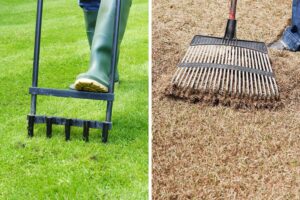
Core Aeration: Breaking up compacted soil allows water, oxygen, and nutrients to penetrate the root zone more effectively. For best results, aerate cool-season lawns in early fall and warm-season grasses in late spring.
Organic Matter Integration: Incorporating compost into your soil improves its structure and water-holding capacity while providing essential nutrients.
Professional Insight: “A soil test is invaluable for understanding your lawn’s specific needs,” notes Dr. Susan Chen from the University of Georgia’s Turfgrass Science program. “Most homeowners are surprised to learn that their pH levels or organic matter content may be significantly limiting their lawn’s drought tolerance.”
Smart Mowing Practices for Summer Stress

Mowing height significantly impacts your lawn’s ability to withstand drought conditions. Taller grass:
- Creates shade for soil, reducing evaporation
- Develops deeper root systems
- Outcompetes many weeds
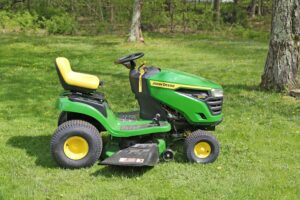
Seasonal Height Adjustment: During summer, raise your mower blade to the highest appropriate setting for your grass type:
- Tall fescue: 3-4 inches
- Kentucky bluegrass: 2.5-3.5 inches
- Bermuda grass: 1-2 inches
- Zoysia: 1-2 inches
Sharp Blade Maintenance: Dull mower blades tear grass rather than cutting cleanly, creating more surface area for water loss and increasing disease susceptibility. Sharpen blades at least twice during the growing season.
Water-Smart Technology Solutions
Modern irrigation technology offers significant advantages for water conservation while maintaining lawn health.
Smart Controllers: Weather-based irrigation systems adjust watering schedules according to local conditions, reducing waste by up to 30% compared to traditional timers.
Precision Sprinkler Heads: High-efficiency rotary nozzles deliver water at slower rates, allowing better absorption and reducing runoff.
Soil Moisture Sensors: These devices measure actual moisture levels in your soil profile, preventing unnecessary irrigation cycles when sufficient moisture is present.
Cost-Benefit Analysis: While smart irrigation systems represent an initial investment (typically $200-800 depending on lawn size and features), they often pay for themselves within 2-3 seasons through reduced water bills and healthier turf that requires fewer treatments.
Drought-Resistant Grass Varieties

If you’re establishing a new lawn or overseeding an existing one, selecting drought-tolerant varieties can dramatically improve summer performance.
Top Performers in Water Conservation Trials:
- Tall Fescue (Festuca arundinacea): Improved varieties like ‘Rebel Exeda’ and ‘Mustang 4’ feature deep root systems extending 2-3 feet into soil.
- Bermuda Grass (Cynodon dactylon): Excellent heat and drought tolerance, though not suitable for shaded areas. ‘TifTuf’ has demonstrated 38% greater drought resistance than other Bermuda varieties in university trials.
- Buffalo Grass (Buchloe dactyloides): Native to North American prairies, this warm-season grass requires up to 75% less water than conventional turf while thriving in full sun.
- Zoysia Grass (Zoysia spp.): Forms dense turf that naturally suppresses weeds and maintains color during moderate drought. ‘Meyer’ and ‘Empire’ are particularly resilient varieties.
Common Drought-Response Mistakes to Avoid
Even experienced homeowners make critical errors when lawns show signs of drought stress:
Mistake: Frequent light watering Solution: Deep, infrequent irrigation that encourages roots to grow downward
Mistake: Fertilizing during drought conditions Solution: Hold off on nitrogen applications during severe heat stress, which can damage already stressed grass
Mistake: Cutting grass too short Solution: Maintain higher mowing heights during summer months
Mistake: Treating dormant grass as dead grass Solution: Recognize that dormancy is a natural survival mechanism; most turf grasses will recover when temperatures moderate and moisture returns
Sustainable Lawn Care Calendar
Implementing these drought-resistance strategies works best when integrated into a year-round maintenance approach:
Spring Preparation (8-10 weeks before peak heat):
- Conduct soil test
- Apply appropriate soil amendments
- Core aerate if not done in fall
- Gradually raise mowing height
Early Summer Conditioning:
- Complete spring fertilization before heat arrives
- Check irrigation system for maximum efficiency
- Apply light layer of compost to improve moisture retention
Peak Summer Protection:
- Implement deep watering schedule
- Avoid heavy traffic on drought-stressed areas
- Monitor for drought-related pest issues, particularly chinch bugs
- Consider allowing certain areas to go dormant if water restrictions require
Fall Recovery:
- Overseed with drought-resistant varieties
- Core aerate to reduce compaction
- Apply fall fertilizer to strengthen root systems
- Gradually lower mowing height to appropriate winter levels
Environmental Benefits Beyond Water Conservation
Implementing drought-resistant lawn practices delivers additional ecological advantages:
- Reduced Runoff: Deep-rooted lawns with good soil structure capture more rainfall, reducing erosion and stormwater management issues
- Lower Carbon Footprint: Less frequent mowing and reduced water pumping decrease energy consumption
- Improved Soil Health: Practices that enhance drought tolerance also build healthier soil microbiology
Professional Assessment: Is Your Lawn Ready for Summer?
The best time to evaluate your lawn’s drought readiness is approximately 30 days before typical onset of summer heat in your region. Look for these indicators of preparation:
- Root depth of at least 4-6 inches (check by extracting a small core sample)
- Soil that maintains moisture but doesn’t remain soggy
- Even growth pattern without thin or stressed areas
- Appropriate mowing height for your specific grass type
- Calibrated irrigation system delivering the right amount of water
Conclusion: Resilience Through Knowledge
Creating a drought-resistant lawn doesn’t happen overnight, but implementing these research-based strategies will progressively strengthen your turf’s ability to thrive despite summer challenges. The most sustainable lawns are those managed with an understanding of grass biology, soil science, and environmental conditions.
By adopting these water-smart practices, you’re not only creating a more resilient landscape but also contributing to broader water conservation efforts in your community. Your beautiful lawn becomes both a personal oasis and an example of responsible environmental stewardship.
This article was developed with input from certified landscape professionals and turfgrass researchers. Recommendations may need adaptation for specific regional conditions and grass varieties. Contact your local extension office for customized guidance for your area.