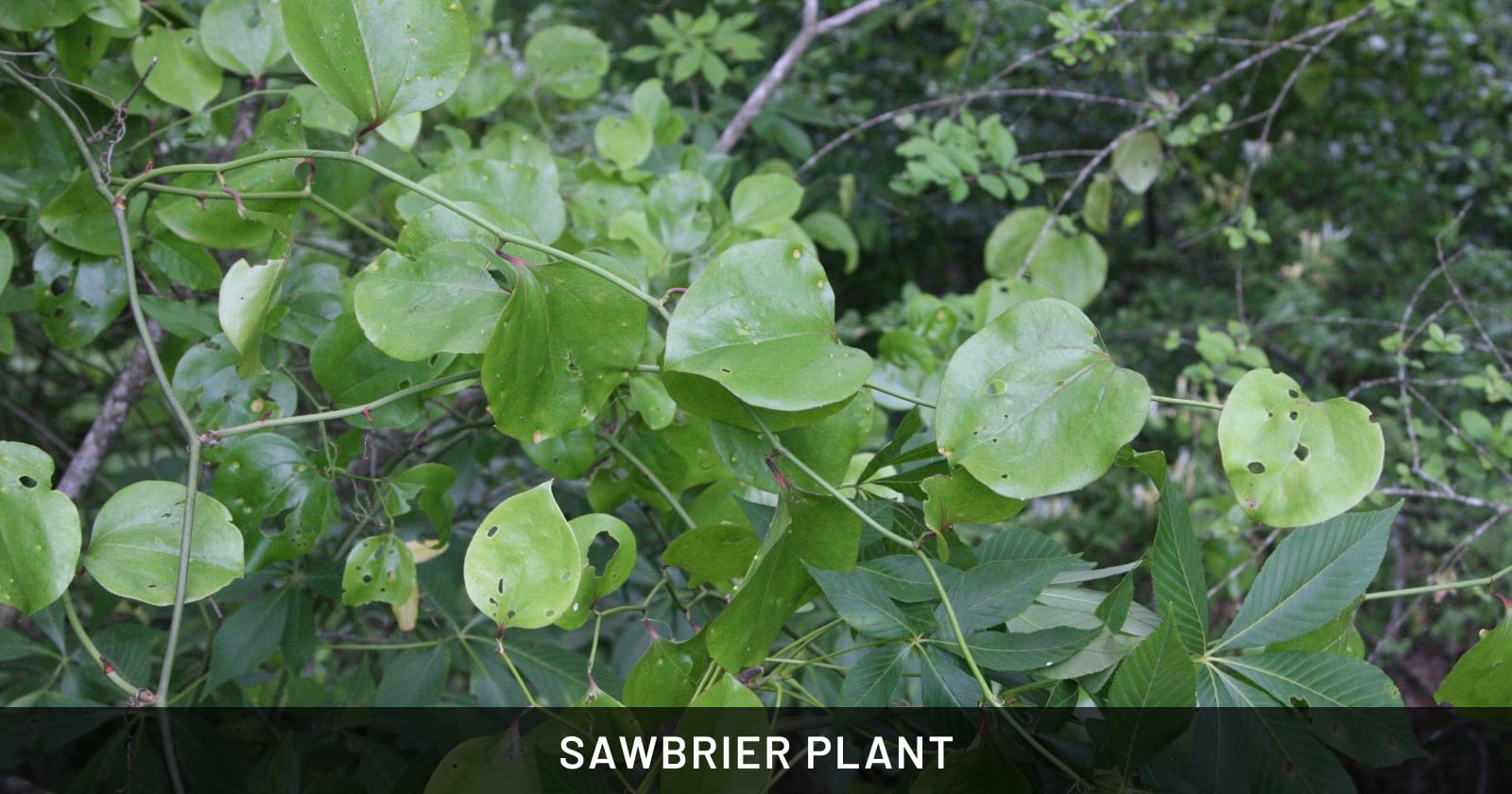
The Sawbrier, scientifically known as Smilax bona-nox, is a resilient and hardy plant native to various regions in the United States. Often referred to as greenbrier or catbrier, this vigorous vine is recognized by its woody, thorny stem and lush, heart-shaped leaves. Throughout spring and summer, it showcases small, inconspicuous flowers, followed by clusters of edible, berry-like fruits in the fall.
For pet owners, the Sawbrier offers peace of mind as it is non-toxic to both cats and dogs. This makes it a safe addition to gardens where pets love to explore. While its thorns can make handling tricky, they provide natural protection against garden pests and wildlife. Adaptable to a range of light conditions, from full sun to partial shade, and requiring minimal care once established, the Sawbrier is an excellent choice for creating dense, green cover in your outdoor spaces.
| Characteristic | Detail |
|---|---|
| Common Name | Sawbrier, Greenbrier, Catbrier |
| Scientific Name | Smilax bona-nox |
| Family | Smilacaceae |
| Origin | North America |
| Type | Perennial, vine |
| Height | Can climb or sprawl several feet depending on support |
| Width | Varies with growing conditions |
| Leaf Color | Green, often with a glossy appearance |
| Leaf Shape | Heart-shaped to oval |
| Stem Characteristics | Woody, thorny |
| Flowers | Small, inconspicuous, green to white |
| Fruit | Edible berries, black or dark purple when ripe |
| Soil Preference | Adaptable, prefers moist, well-drained soil |
| Sun Exposure | Full sun to partial shade |
| Hardiness Zones | Typically zones 5-9 |
| Drought Tolerance | Moderate |
| Maintenance Level | Low once established |
| Toxicity | Non-toxic to cats and dogs |