This sod calculator is an excellent resource for determining how many rolls of sod you’ll need to purchase and the total cost to cover a specified area with your chosen type of grass. Keep reading to learn more about the structure of sod, get answers to the question, “How much sod do I need?” and estimate the overall cost of installing a sod lawn.
Sod Calculator
| Length (m): | |
| Width (m): | |
| Total Area (m²): | |
| Waste Factor (%): | |
| Roll Length (m): | |
| Roll Width (m): | |
| Roll Area (m²): | |
| Roll Price (₨/m²): | |
| Number of Rolls: | |
| Total Cost (₨): | |
What is Sod?
When planning a lawn, one of the first decisions you’ll face is whether to seed the grass or lay sod. This decision is key when designing outdoor spaces, whether around a home or larger areas like golf courses and sports fields. Sod, also known as turf, is a popular choice for these spaces due to its convenience and versatility.
The Process of Sod Harvesting
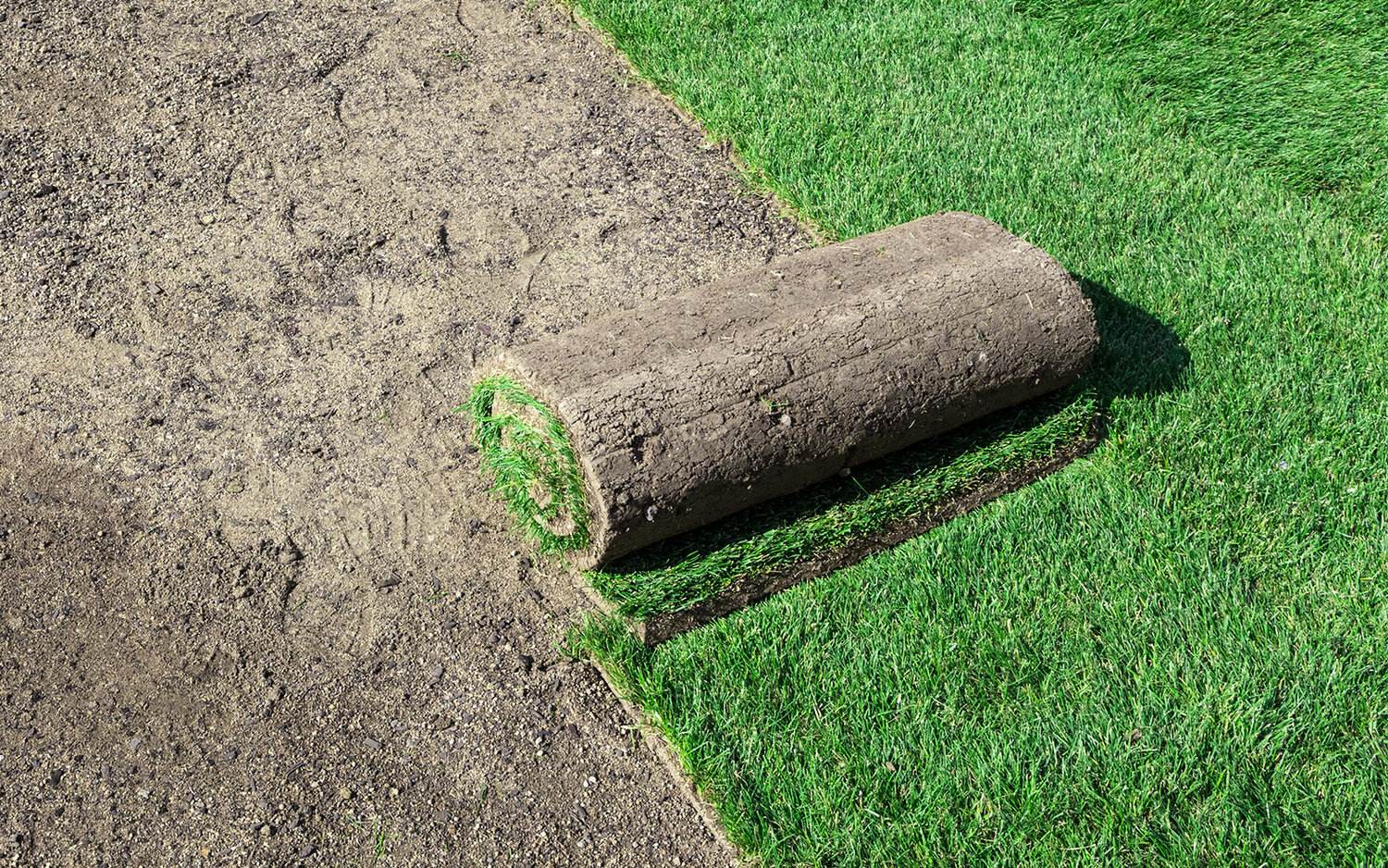
Sod consists of grass and a layer of soil that holds the roots in a compact form, making it easy to transport and lay. Depending on the climate where it’s grown, sod may include a mix of grass species. After cultivation, the sod is harvested like any other crop and stored in rolls until ready for installation.
🙋 Need extra soil beneath your sod? Our soil calculator can help you determine the amount required!
Benefits of Sod
One of the biggest advantages of sod is the ease and speed with which it can be laid on both flat and sloped surfaces. Unlike seeding, where timing during the growing season is crucial, sod can be installed at almost any time of year. Although it is more expensive than seeding upfront, sod offers long-term savings with lower maintenance costs and reduced issues with weeds.
Estimating the Total Cost of Sod
To answer the question, “How much sod do I need?”, you can follow these simple steps:
- Measure the Area: Let’s say you want to cover a rectangular area that is 130 feet long and 50 feet wide.
- Calculate the area:
130 ft × 50 ft = 6,500 ft².
- Account for Waste: When laying sod, some material will be wasted due to cutting and fitting around objects. We recommend adding 10% for waste. For fields with irregular shapes or obstacles like trees, consider increasing this to 20%.
- Adjusted area:
6,500 ft² × 1.10 = 7,150 ft².
- Calculate Rolls Needed: Assuming you’re using 1.5 × 6 ft sod rolls:
- Rolls needed:
7,150 ft² / (1.5 ft × 6 ft) = 794 rolls.
- Estimate the Total Cost: If the price per square foot of sod is $0.25:
- Total cost:
7,150 ft² × $0.25 = $1,787.50.
For more complex shapes, such as irregular or trapezoidal fields, you can use tools like our area of a trapezoid calculator to simplify the process. If you’re using square sod pieces, our GCF calculator can help you find the largest possible size for each piece to minimize waste and effort.
By following these steps, you can accurately estimate the amount of sod you’ll need and its total cost, making your landscaping project more efficient and cost-effective!