How to Attract Pollinators to Your Backyard
Why Pollinators Matter for Your Garden and Beyond
Pollinators are essential partners in your backyard ecosystem. These busy creatures—bees, butterflies, moths, hummingbirds, and even some beetles—transfer pollen between flowers, enabling plants to reproduce and produce the fruits, vegetables, and seeds that feed both wildlife and humans. According to the U.S. Department of Agriculture, pollinators are responsible for one out of every three bites of food we eat.
But pollinators are facing serious challenges. Habitat loss, pesticide exposure, and climate change have caused concerning declines in many pollinator populations across the United States. The good news? Your backyard can become a vital refuge for these important creatures, and creating a pollinator-friendly space is easier than you might think.
The Benefits of Attracting Pollinators
When you invite pollinators into your garden, everyone wins:
- Your vegetable garden will produce higher yields
- Flowering plants will bloom more abundantly
- Native ecosystems become more resilient
- You’ll enjoy watching these fascinating creatures in action
- You’ll be contributing to biodiversity conservation in your community
Creating Your Pollinator Paradise: The Essentials
Choose Native Plants for Maximum Impact
Native plants have co-evolved with local pollinators, making them the perfect match for your backyard habitat. These plants are adapted to your region’s soil, rainfall, and temperature patterns, requiring less maintenance while providing exactly what local pollinators need.
The U.S. Forest Service emphasizes that “native plants provide nectar, pollen, and seeds that serve as food for native butterflies, insects, birds and other animals” (U.S. Forest Service).
When selecting native plants:
- Research which species are native to your specific region
- Choose varieties that bloom at different times for season-long support
- Include plants with different flower shapes to attract diverse pollinators
- Incorporate both perennials and annuals for variety
Regional Native Plant Superstars
Northeast: Purple coneflower, New England aster, wild bergamot, Joe-Pye weed
Southeast: Butterfly weed, black-eyed Susan, cardinal flower, passion vine
Midwest: Prairie blazing star, wild lupine, purple prairie clover, Ohio spiderwort
Southwest: Desert marigold, penstemons, chocolate flower, desert willow
Pacific Northwest: Douglas aster, Pacific bleeding heart, Oregon grape, camas lily
California: California poppy, manzanita, coyote mint, California lilac
Plant for Continuous Blooms
Pollinators need food sources throughout their active seasons. Plan your garden to provide continuous blooms from early spring through late fall.

Provide Nesting Sites
Different pollinators have different nesting needs:
Bees: About 70% of native bee species nest in the ground, while others use hollow plant stems or wood cavities. Leave some areas of bare, undisturbed soil for ground-nesting bees. Avoid using landscape fabric or heavy mulch in all areas.
Butterflies: Most butterflies lay eggs on or near specific host plants their caterpillars need to eat. For example, monarch butterflies require milkweed for their caterpillars.
Hummingbirds: Provide shrubs and trees at varying heights for nesting and perching.
Create Shelter from Weather and Predators
Pollinators need protection from harsh weather and places to hide from predators. Consider adding:
- Rock piles or stone walls with crevices for shelter
- Brush piles in quiet corners of your yard
- Areas of tall grass and native bunch grasses
- Fallen logs and branches (in appropriate areas)
Offer Water Sources
Like all creatures, pollinators need water to survive. You can provide water in several ways:
- Install a shallow birdbath with landing spots
- Create a small mud puddle area (many butterflies “puddle” to obtain minerals)
- Add a small dish with stones or marbles that rise above the water level
- Consider a small water feature with sloping sides
Be sure to change standing water frequently to prevent mosquito breeding.
Pollinator-Specific Attractions
Bringing in the Bees
Bees are powerhouse pollinators, responsible for pollinating approximately 75% of the fruits, nuts, and vegetables grown in the United States, according to the U.S. Department of Agriculture (USDA).
To attract bees:
- Plant single-flowered varieties rather than doubles (easier access to pollen)
- Include blue, purple, and yellow blooms (bees see these colors best)
- Plant in clumps rather than single plants (more efficient foraging)
- Incorporate early blooming trees and shrubs for spring food sources
- Consider installing a bee house for cavity-nesting bee species
Native Bee Diversity
Many gardeners don’t realize that North America is home to over 4,000 species of native bees. Unlike European honey bees, most native bees are solitary, don’t produce honey, and rarely sting. They range in size from tiny sweat bees (less than 1/4 inch) to large carpenter bees and bumble bees.
Supporting these native species is crucial for ecosystem health and agricultural productivity. The National Park Service has excellent resources on native bee conservation (NPS).

Butterfly Attractions
Butterflies bring beauty and movement to your garden while serving as important pollinators. To create a butterfly-friendly yard:
- Plant both nectar sources for adults and host plants for caterpillars
- Provide sunny, sheltered locations (butterflies need warmth to fly)
- Create puddling stations with damp sand and a pinch of salt
- Avoid pesticides, which are especially harmful to caterpillars
- Include flat stones where butterflies can bask in the sun
The Monarch Connection
Monarch butterflies have become an important symbol of pollinator conservation. Their population has declined by more than 80% in recent decades due to habitat loss, pesticide use, and climate change.
You can help monarchs by:
- Planting milkweed (the only plant monarch caterpillars can eat)
- Including late-season nectar sources for migrating monarchs
- Participating in citizen science monitoring programs
- Creating “monarch waystations” in your community
Hummingbird Heaven
These tiny, iridescent birds are specialized pollinators for many plant species with tubular flowers. To attract hummingbirds:
- Plant red, orange, or pink tubular flowers
- Include a mix of annual and perennial food sources
- Provide perching sites near feeding areas
- Consider adding a hummingbird feeder with homemade nectar (4 parts water to 1 part white sugar, no food coloring)
- Ensure trees or tall shrubs are available for nesting
Organic Practices for Pollinator Health
The Pesticide Problem
Pesticides, especially insecticides, pose significant risks to pollinators. Even products labeled “organic” can harm beneficial insects if used improperly.
According to the Environmental Protection Agency, “Pesticide poisoning of pollinators can be a result of direct contact with spray residue on plants or from contaminated pollen and nectar” (EPA).
To protect pollinators:
- Adopt integrated pest management (IPM) practices
- If you must use pesticides, choose the least toxic options
- Apply in the evening when most pollinators are less active
- Spot-treat problems rather than broad applications
- Read labels carefully and follow all directions
- Consider manual removal of pests when possible
Biological Controls
Instead of reaching for chemicals, consider these biological controls:
- Encourage beneficial insects like ladybugs and lacewings
- Install bird houses to attract insect-eating birds
- Use physical barriers like row covers during peak pest times
- Plant trap crops to draw pests away from your main garden
- Maintain healthy soil to promote plant resilience
Design Strategies for Maximum Impact
Creating Pollinator Pathways
Individual pollinator gardens are valuable, but connecting habitats creates even greater impact. Consider:
- Coordinating with neighbors to create linked pollinator habitats
- Participating in community pollinator pathway initiatives
- Adding pollinator plants to front yards, not just backyards
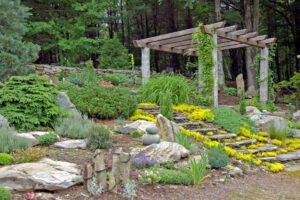
- Converting lawn areas to pollinator meadows where appropriate
- Sharing extra plants with friends and neighbors to expand habitats
Size and Density Considerations
Even small spaces can support pollinators if designed thoughtfully:
- For small spaces, focus on high-value plants that support multiple species
- Plant in clusters of 3-5 plants of the same species (easier for pollinators to find)
- Layer plantings vertically with ground covers, mid-height plants, and taller species
- Incorporate flowering shrubs and small trees for greater diversity
- Consider container gardening if you have limited ground space
Seasonal Maintenance for Pollinator Gardens
Spring Tasks
- Leave leaf litter in place until temperatures are consistently warm (many pollinators overwinter in leaf litter)
- Delay garden cleanup until daytime temperatures reach about 50°F
- Check for and protect any overwintering chrysalises before pruning
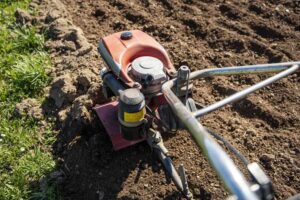
- Avoid tilling soil where ground-nesting bees might be present
- Start seeds of native annual plants indoors for later transplanting
Summer Management
- Deadhead spent blooms to encourage continuous flowering
- Add new pollinator plants to fill any bloom gaps
- Provide additional water sources during dry periods
- Monitor for pest issues and address them with pollinator-safe methods
- Take photos to document pollinator visitors (useful for future planning)
Fall Preparation
- Leave some seed heads standing for birds and overwintering insects
- Wait to cut back perennials until spring if possible
- Add fall-blooming plants for late-season pollinators
- Collect seeds from native plants to expand your garden next year
- Consider adding spring-blooming bulbs for early season nectar
Winter Considerations
- Leave leaf litter and hollow stems for overwintering pollinators
- Avoid winter pruning of trees and shrubs that may contain chrysalises
- Plan next year’s garden additions and improvements
- Order seeds and plants for spring planting
- Learn to identify common pollinators in your region
Community Engagement and Resources

Citizen Science Opportunities
You can contribute valuable data while enjoying your pollinator garden:
- Join monitoring programs like the Xerces Society’s Bumble Bee Watch
- Participate in the annual Monarch Watch tagging program
- Report sightings on platforms like iNaturalist
- Join the Great Sunflower Project to count and document bees
- Engage with the North American Butterfly Association’s counts
Certification Programs
Several organizations offer certification for pollinator-friendly gardens:
- National Wildlife Federation’s Garden for Wildlife program
- Xerces Society’s Pollinator-Friendly Certification
- Monarch Watch’s Monarch Waystation Certification
- Bee City USA’s Bee-Friendly Garden designation
Educational Resources
Expand your knowledge with these excellent resources:
- The Xerces Society (www.xerces.org) offers region-specific plant guides
- Your state’s native plant society can provide local expertise
- University extension services offer free publications on pollinators
- The USDA Natural Resources Conservation Service has regional pollinator guides
- The Pollinator Partnership provides free regional planting guides
The Ripple Effect: Beyond Your Backyard
When you create a pollinator-friendly backyard, you’re doing more than beautifying your property. You’re participating in a growing movement to restore habitat connections across the landscape.
Your garden becomes a stepping stone that helps pollinators move through otherwise inhospitable urban and suburban environments. As more people join this effort, these individual gardens form a collective solution to habitat fragmentation.
Your backyard oasis for pollinators inspires visitors, educates children, and demonstrates that conservation can begin at home. By sharing your knowledge and passion with others, you multiply your impact and help build a more sustainable future for pollinators and people alike.
As the National Pollinator Garden Network states, “Together, we can welcome back the pollinators, ensure the future of our food supply, and protect the environment for future generations.”
| Season | Bloom Period | Example Plants | Primary Pollinators |
|---|---|---|---|
| Early Spring | March-April | Crocus, pussy willow, redbud, serviceberry | Early bees, some butterflies |
| Late Spring | May-June | Columbine, baptisia, salvia, chives, fruit trees | Bees, early butterflies, some hummingbirds |
| Early Summer | June-July | Bee balm, coreopsis, milkweed, catmint, lavender | Bees, butterflies, hummingbirds |
| Mid-Summer | July-August | Purple coneflower, black-eyed Susan, yarrow, hyssop | Peak butterfly activity, bees, hummingbirds |
| Late Summer | August-September | Goldenrod, asters, Joe-Pye weed, sunflowers | Migrating monarchs, bees, hummingbirds |
| Fall | September-October | New England aster, autumn joy sedum, witch hazel | Last monarchs, native bees preparing for winter |